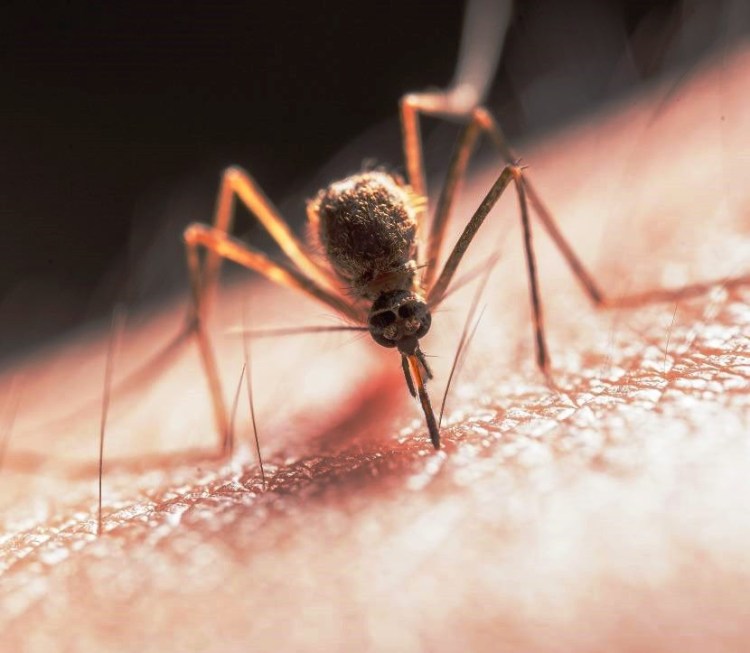
The growing knowledge in genetic engineering has led to several applications in various spheres of life. These advances have resulted in the advents of several gene editing tools and technologies capable of altering the genomic compositions of various organisms with wide range of its potential application.
Pest control by the use of this technology is one of the intended goals of gene editing different pest to control their population. The gene edited organism which carries either self-destructive or resistant genes has the potential to gradually replace the target population. Although scientists are rigorously racing to establish the usefulness of this method, several bioethical issues have been raised with a lot of uncertainties about the general implications. Despite these drawbacks, a lot of gains have been made in recent times with combating malaria using genetic engineering techniques.
In 2019, npr reported a first-time large-scale release of genetically modified mosquitoes into a high security laboratory in Terni, Italy by a team of researchers. This experiment which was headed by Ruth Mueller at that time was aimed to see if the engineered mosquitoes could ultimately become a potent new weapon to help eradicate malaria.
About 10% of the mosquitoes lived long enough for the parasite to develop and become infectious to man
Imperial college london
Recently, another breakthrough with engineered mosquitoes was reported at Imperial College London. According to Hayley Dunning (2022), Scientists at this prestigious College successfully modified mosquitoes such that they slow the growth of Plasmodium in their gut. The research showed that only about 10% of the mosquitoes lived long enough for the parasite to develop and become infectious to man. The success of this research has been confirmed in a lab setting, and if the method is proven to be effective and safe in a real-life setting, it will be a great tool to eliminate malaria.
Malaria is a killer disease with close to one million deaths estimated yearly. If the various genetically modified mosquitoes are proven effective in eradicating malaria in real life, this method, together with the newly recommended vaccine, and the various antimalarial drugs will likely eradicate malaria in Africa.
 ASVEK Science & Tech