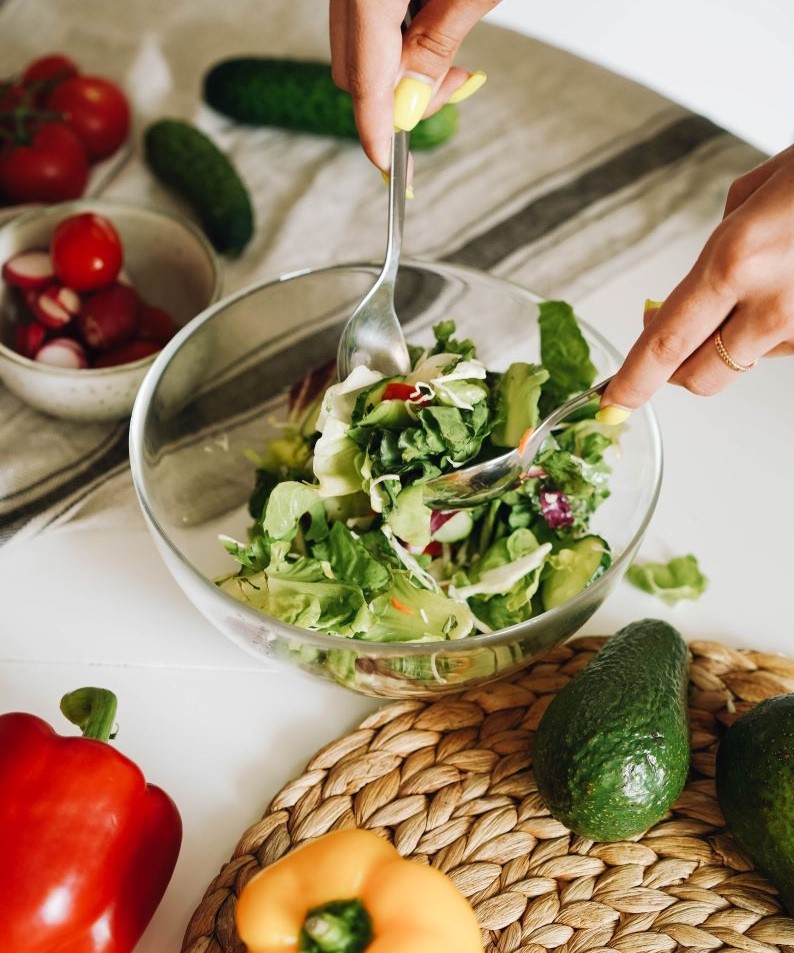
Healthy eating and regular exercise has great potential of keeping your body very healthy as you age.
Ignorantly people ascribe looking robust or having increased body mass index (BMI) as a sign of good health. For both children and adults, it is important to have a balanced body weight to maintain good health. Excessive weight gain in children can lead to childhood obesity that can adversely affect the child’s health now and in future.
Obese children have higher risk of developing cardiovascular diseases, asthma, musculoskeletal disorders, and some forms of cancers. The metabolic rate of adults from the age of 20 years slows down by over 10%, meaning that as we age, our body required less calories to maintain itself. This means that older adults must be more active or eat fewer calories to maintain ideal body weight.
Maintaining normal body weight is very important for healthy aging. Elevated body mass index in older adults can also predispose them to health problems like heart disease, high blood pressure, stroke, and diabetes.
Although being underweight can also have its health implications (such as anemia, osteoporosis, and even some form of immune deficiencies) it is sacrosanct to maintain healthy weight as we age. The easiest way to gain weight is to increase the intake of meals rich in carbohydrates, fat and proteins.
Although factors such as gene, age, gender, lifestyle, environmental factors, sleep, habit and even habitat can influence weight gain, healthy eating and regular exercise has great potential of keeping your body very healthy as you age.
There are a variety of healthy foods that can help you to manage your weight effectively. According to the Dietary guidelines for Americans 2020 – 2025, developed by the HHS Office of Disease Prevention and Health Promotion (ODPHP), and the USDA Center for Nutrition Policy and Promotion (CNPP) the elements that make up a healthy dietary pattern include
- Consumption of vegetables of all types, including beans, peas, dark green, lentils, and other vegetables.
- The eating of fresh and whole fruits are very healthy, including fruits with high fiber contents.
- Grains. Eating a lot of whole grains is healthy.
- Diary products that are either fat-free or having low fat, yoghurt, soy beverages.
- Protein foods, including lean meats, poultry, and eggs; seafood; beans, peas, and lentils; and nuts, seeds, and soy products
- Oils, including vegetable oils and oils in food, such as seafood and nuts
To stay healthy, it is important to limit the consumption of food and beverages that have increased proportion of added sugar, saturated fat and sodium as well as alcohol beverage consumption.
 ASVEK Science & Tech