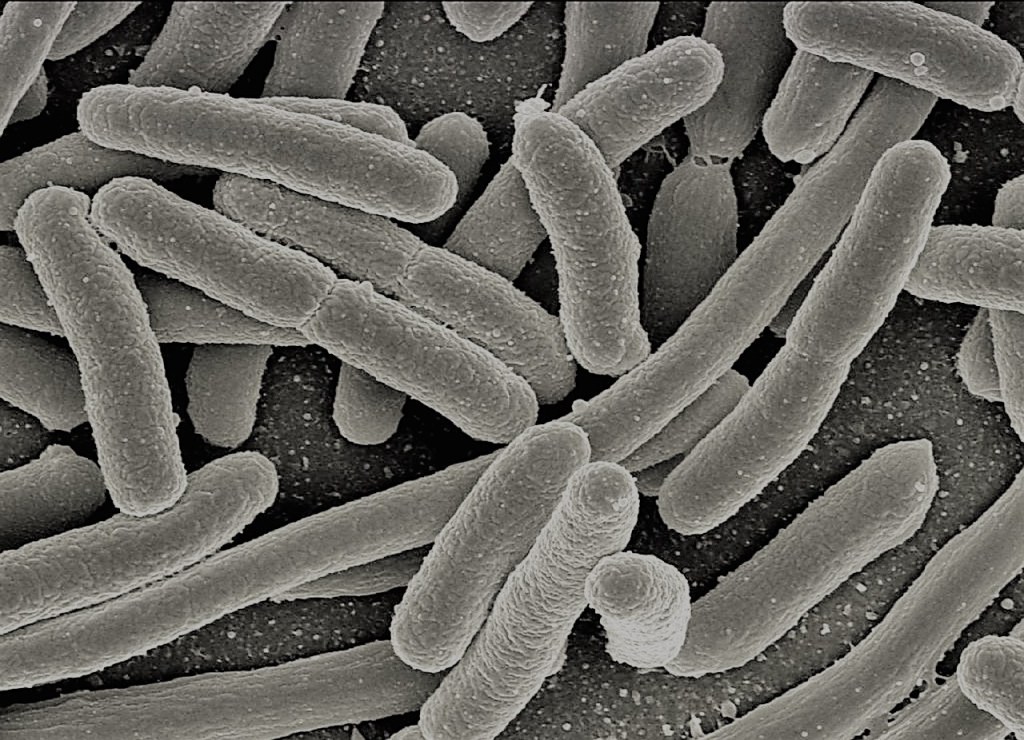
The Centers for Disease Control and Prevention (CDC) have reported a 4th case of death linked to the use of eyedrops contaminated with a rare strain of drug resistant bacteria.
The Centers for Disease Control and Prevention (CDC) have reported a 4th case of death linked to the use of eyedrops contaminated with a rare strain of drug resistant bacteria. Fourteen cases of vision loss have also been linked to the contaminated eyedrops with some patients having eyeball removal surgeries due to the eye infections. According CDC, the drug-resistant Pseudomonas aeruginosa had never been found in the USA prior to the infections and had spread in several states.
Investigations by CDC and FDA (Food and Drug Administration) revealed Ezricare Artificial Tears as a common cause of the infections. These products have long been recalled, with the advisory that clinicians should discontinue and discard the products (together with the two additional products) manufactured by the same company. Similarly, patients still in possession of the products are advised to discard the product while those who had used the products should report symptoms of eye infections for quick medical intervention.
According to the CDC, the symptoms of the eye infections may include “yellow, green, or clear discharge from the eye, eye pain or discomfort, redness of the eye or eyelid, feeling of something in your eye (foreign body sensation), increased sensitivity to light, and blurry vision”
Based on the CDC reports,
“this strain of P. aeruginosa was not susceptible to cefepime, ceftazidime, piperacillin-tazobactam, aztreonam, carbapenems, ceftazidime-avibactam and ceftolozane-tazobactam, fluoroquinolones, polymyxins, amikacin, gentamicin, and tobramycin”
Pseudomonas is a type of bacteria found in the soil and water. There are many different types of the organism but Pseudomonas aeruginosa is the most common cause of infection in humans (and animals) and can cause infection in the blood, lungs and contaminate surgical sites. The bacteria are always finding ways of evading the effects of antibiotics and had caused an estimated 32, 600 infections among hospitalized patients and 2700 estimated deaths in the United States in 2017 according to CDC report. Pseudomonas aeruginosa has also been reported to cause otitis and urinary tract infections in dogs, mastitis in diary cows and endometritis in horses.
 ASVEK Science & Tech