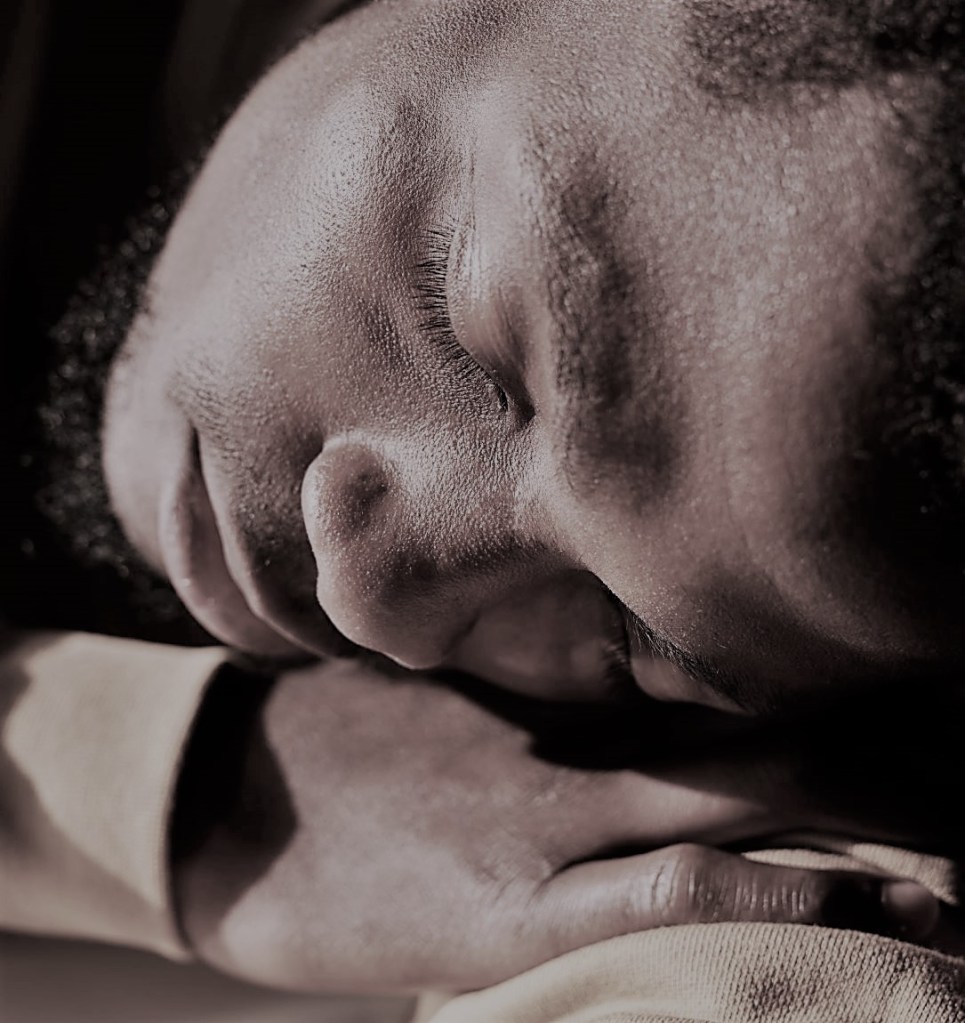
Adequate sleep is essential for memory retention. Loss of sleep impairs memory formation and impacts general well-being a study says.
Research suggests that loss of sleep is associated with loss of memory. Based on scientific evidences, sleep therapy may be useful in the treatment of psychiatric disorders like phobias and post traumatic stress disorders.
In a previous Nature publication, fearful memories were created among study participants as they watched pictures of faces that were paired with distinct odours by delivering mild electric shocks. After the memories were created, participants slept in the laboratory as their brain waves were monitored. The participants showed diminished fear responses when they were exposed to the same odour. Participants who benefited more from the sleep therapy were those that slept longer.
Memories are more stable during deep sleep stages
Inadequate or lack of sleep affects the hippocampus, a part of the brain responsible for making memories. Formed memories are fragile and can easily be forgotten. Experts believe that memories are more stable during deep sleep stages. This assertion is now strongly supported by a recent Cell publication which demonstrates that spaced odour-training and post-training sleep induces long term memory in roundworm (Caenorhabditis elegans). According to the researchers, the worms were trained to avoid a sweet scent and after 16 hours of uninterrupted sleep they still remembered to avoid the sweet scent unlike the worms that had interrupted sleep within the first 1-2 hours after the training.
Studies have further shown that several animals species including humans need sleep to develop and retain long term memory. Over the years, this theory has been severally proven that sleep improves memory retention and recall by 20 – 40%. However as people age, it appears that there is deterioration or shrinking of the cortical region needed for adequate sleep and memory formation. Sleep strengthens slow brain waves which promotes the transfer of information from the brain’s memory hub (hippocampus) to other parts of the brain for long term memory, a study says.
Memory impairment in aging has limited medical remedial options, but, if sleep is restored in the elderly it may improve their memory. When we sleep our body maintain healthy brain functions and our physical health. Thus, depriving yourself of adequate sleep without unavoidable reasons can only offer very little benefits and could impact your memory ability.
 ASVEK Science & Tech