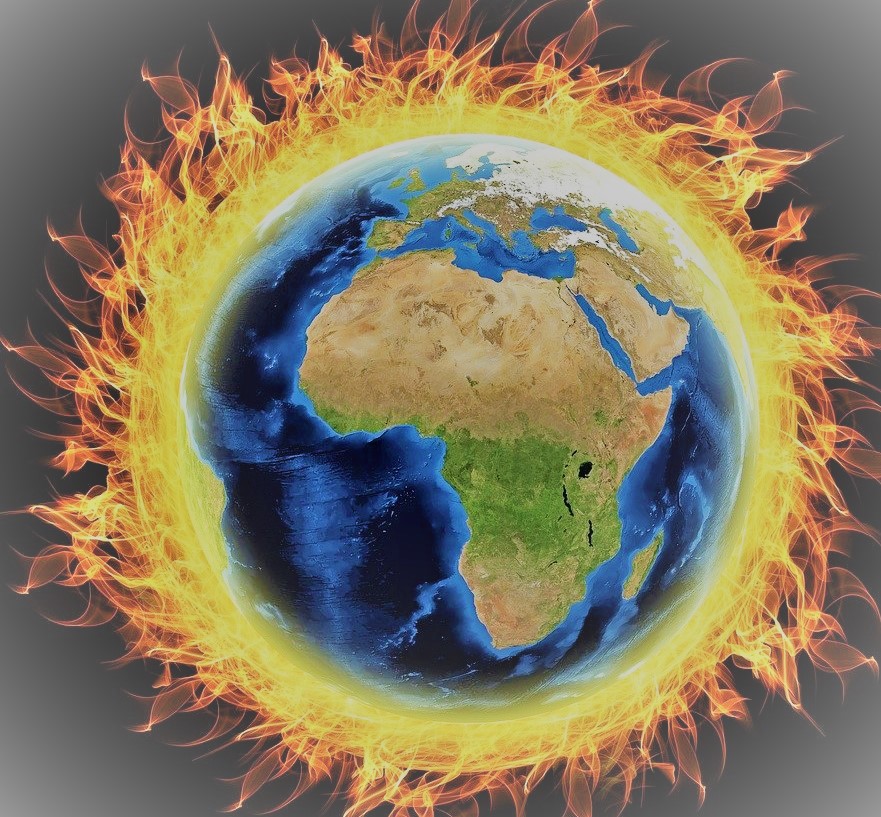
Meteorologists at the University of Reading, United Kingdom have found that air travel has become increasing turbulent over the past 40 years as a result of global warming. These types of turbulence are difficult for pilots to avoid and could occur suddenly during flights. The research demonstrates that clear air turbulence (CAT) was 55% more frequent in 2020 than 1979.
The increases according to the study are largest over the USA and North Atlantic regions with very busy flight activities. Authors analyzed modern atmospheric data of 4 decades using 21 turbulence calculations to ensure that the results are reliable. Light turbulence were also observed within the study periods but to a lesser degree.
The phenomenon according to the scientists are more pronounced in the western ocean basins partly because jets move faster over the ocean due to low surface roughness, and temperature contrasts between the ocean and the west boundary continent in winter. A turbulent flight can be very uncomfortable and could sometimes result in injuries. Although satellites may rarely detect the CAT, it is possible that the structure of the jet stream can be detected and documented.
These global phenomenon (clear air turbulence) has been linked to the impact of climate change as CO2 emissions causes the air to warm up increasing wind shear in the jet stream. It causes clear air turbulence even when the air is clear and could happen suddenly even when the passenger is not wearing seat belt. Turbulence from storms can easily be spotted by satellites but clear air turbulence is often invisible and hard to notice.
The phenomenon should not dissuade people from flying, rather it is most advisable to always have your seat belts fastened unless you have important reason(s) to move around. Once you have your seat belt fastened, you can be sure that despite the turbulence you will be safe.
Clear air turbulence also impacts the airplanes causing wear and tear with huge financial consequences. The study published in the Geographical Research Letters proposes more investment in more detailed data analyses and upgrade in the current turbulence forecasting systems to make flights more comfortable and less expensive for the airlines as well as the passengers.
 ASVEK Science & Tech