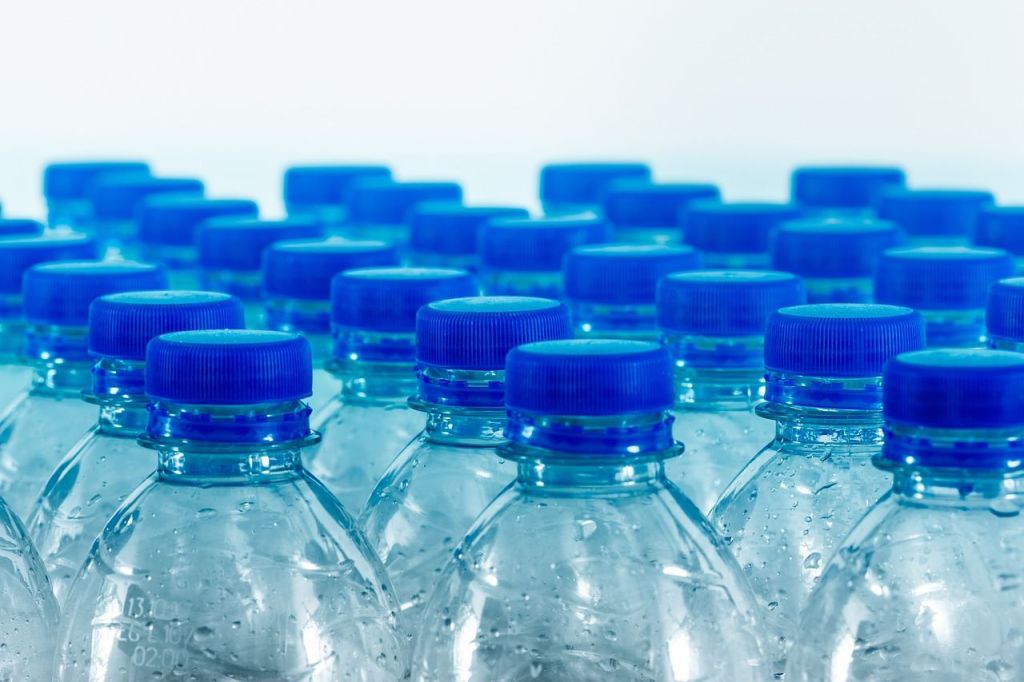
Concerns have been raised about the large number of nanoplastics in some plastic bottled water brands. According to the study conducted by Scientists from Columbia University, and published in PNAS, three plastic bottled water brands in the USA contained very high amounts of nanoplastics than earlier estimated amount. The Scientists detected about 90% of nanoplastics and 10% of microplastics, heightening safety concerns.
It is widely believed that water in plastic bottles are safer than their alternatives, and is heavily depended upon by many as a safe and clean water source. Nano-plastics as the name implies are very tiny plastic particles that are smaller than 1 micrometer in size while microplastics have larger size and could be about 5 millimeters or less. Both microplastics and nanoplastics are potential threats to human and animal health.
Plastics are everywhere and when they are broken into smaller pieces, they become much more distributed even in water, food, soil and air. The reason for the heightened concern about nanoplastics is because in recent times these particles have been reported in the human body including organs, and tissues. Due to their small size, it is believed that the particle could pass through defensive biological barriers of the body and could trigger negative reactions. Nanoplastics can pass through intestinal barriers and accumulate in multiple organs. Exposure to large doses of nanoplastics could trigger inflammatory responses, reproductive abnormalities, gastrointestinal abnormalities and oxidative damages (Meng et al., 2023).
Through the air we breathe, the water we drink and the food we eat, nanoplastics get into our body. Thus, it is important to apply more caution in what we eat. Tap water also contain both nanoplastics and microplastics but in minimal amount than plastic bottled water (Li et al., 2022).
According to the article, the authors “developed a hyperspectral stimulated Raman scattering (SRS) imaging platform with an automated plastic identification algorithm that allows micro-nano plastic analysis at the single-particle level with high chemical specificity and throughput”. Nanoplastics were thereafter successfully detected and identified. The most common type of the plastics was polyamide. Polyethylene terephthalate (PET) was one of the other plastics detected. PET is the material used in making the water bottles.
There is limited information on the in-depth health implications of the nanoplastics. Due to limited research on this subject, World Health Organization does not consider nanoplastics in drinking water a major health concern for humans and animals. Plastic bottles are no doubt one of the best ways of storing drinking water. More research should be carried out to clearly elucidate the dangers associated with plastics in drinking water.
Ultrafiltration of drinking water may help to reduce nanoplastics in drinking water. Such filtered water may better be stored in non-plastic containers like stainless steel water bottles. Experts agree that the use of less plastic bottles are more beneficial.
References
- Meng et al. (2023). Science of The Total Environment, 892, 164687. https://doi.org/10.1016/j.scitotenv.2023.164687
- Li et al. (2021). Environmental Research, 204(Pt B): 112134. https://doi.org/10.1016/j.envres.2021.112134
 ASVEK Science & Tech