Chikungunya disease is a mosquito-borne viral disease caused by a virus named chikungunya virus. The virus is a member of the family Togaviridae and had derived its name from a word spoken in parts of Tanzania where it was first identified and later in the other parts of Africa and Asia. The first case of Chikungunya infection occurred in 1952 and has since been identified in over 100 countries including Europe, Asia, Africa, and America.
The outbreak of the virus has become more frequent and widespread in recent times, spreading in tropical and subtropical areas. Earlier cases of the viral infection in temperate areas were linked to travels to affected areas mostly in Africa, and Asia. In the Caribbean countries, the first case of local transmission occurred in 2013. Cases of Chikungunya virus infection in the USA were largely due to travel to affected areas. There were earlier reports of locally transmitted Chikungunya infection in US States and territories like Florida and Texas. However, there has been no local transmission of the virus in the USA since 2019.
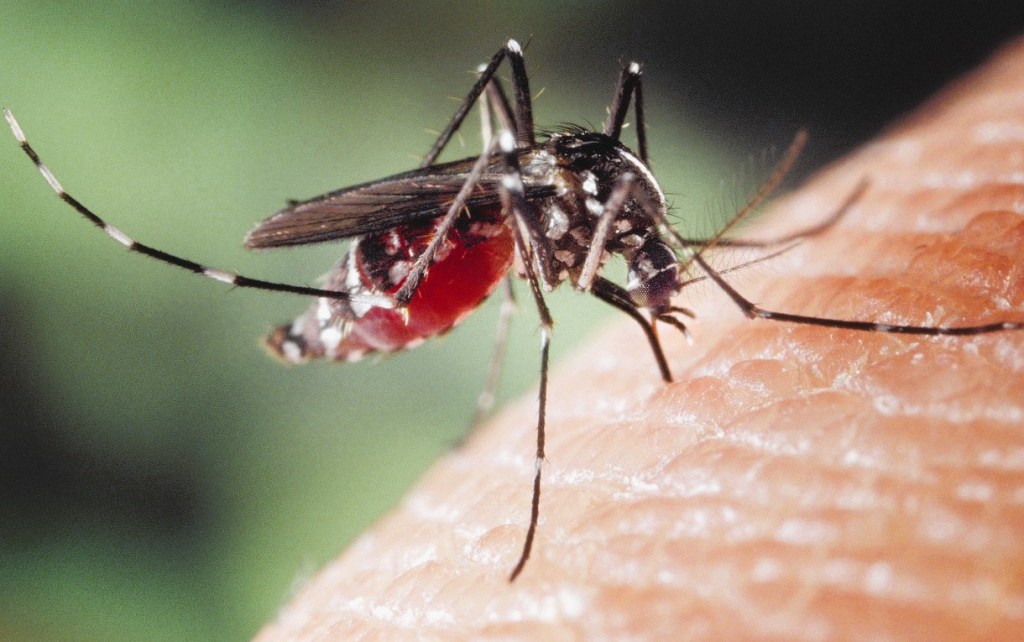
Chikungunya virus is transmitted by mosquitoes that can also transmit dengue and Zika viruses. Aedes aegypti and Aedes albopictus are the common carriers of the virus. A bite from an infected mosquito results in the transmission of the virus to man or animals. Uninfected mosquitoes become infected with the virus once they bite an infected person or animal. Most people infected with the virus develop symptoms within 3 – 7 days after bites from an infected mosquito. The common symptoms of Chikungunya virus infections are fever and joint pains. Other symptoms may include headache, joint swelling, muscle aches. Children, the elderly and people with certain medical conditions are more at risk of severe disease. Most people infected with the virus feel better within 7 days, but, the joint pains and swellings can persist for much longer time in some patients.
The acute onset of fever and joint pains (or swelling) in people returning from areas known for the transmission of Chikungunya virus may aid in diagnosis. Laboratory diagnosis can be achieved by nucleic acid testing or Serologic testing to either detect the virus, its nucleic acid or virus-specific immunoglobulins and even neutralizing antibodies.
Treatment of Chikungunya virus infections is mostly targeted at the specific symptoms. Although a number of candidate therapies for the virus are being investigated, there is no specific antiviral treatment for the disease. Pain killers, and anti-inflammatory drugs have been employed to combat the fever, pains and even joint swellings.
The best way to protect against Chikungunya is to control the mosquito vectors and prevent mosquito bites. Travelers should take protective measures to protect against mosquito bites when traveling to areas known for the viral infection. In the USA, one vaccine is available for Chikyungunya, although, the vaccine is still under investigation.
Chikungunya is an important public health concern, and increasing knowledge about the disease, its transmission, and preventive measures is essential to mitigate its impact and ensure global health security. Efforts in research and vaccine development continue to be crucial in addressing the challenges posed by this infectious disease.
 ASVEK Science & Tech